
The house
A dark, abandoned room at night: dusty furniture, moonlight through broken blinds. Lit soft enough for faces.
AI video effect
Add a photo of each person and the clip builds itself: a dark house, one of you turned, the other holding a flare gun that never fires — then a flashback, and a hug instead. No blood, no wounds.
Your photo
One photo is enough: solo or the two of you.
Effect
ZombieMore effects
Video & sound
This video: 4 credits · 10 songs a month for $29.90, or 40 a year for $100 View pricing
What it looks like
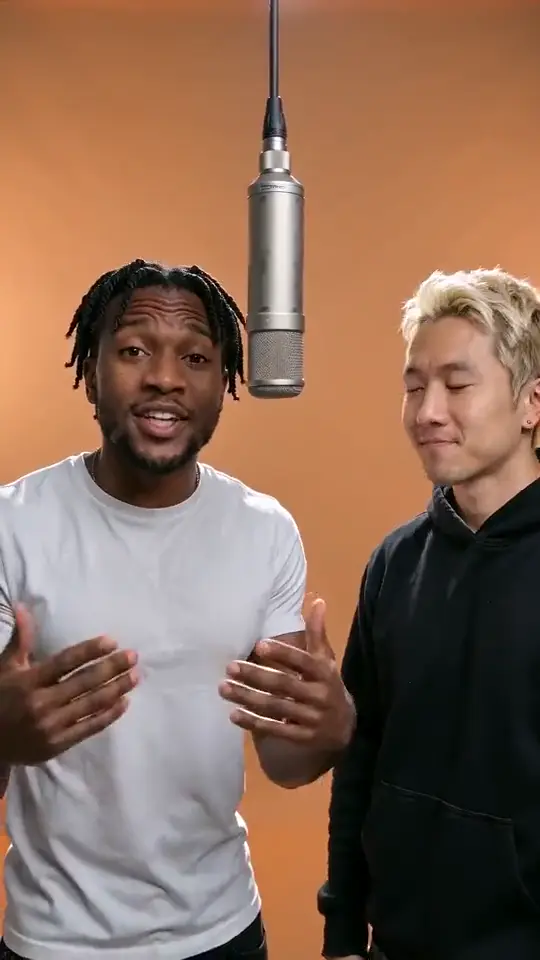
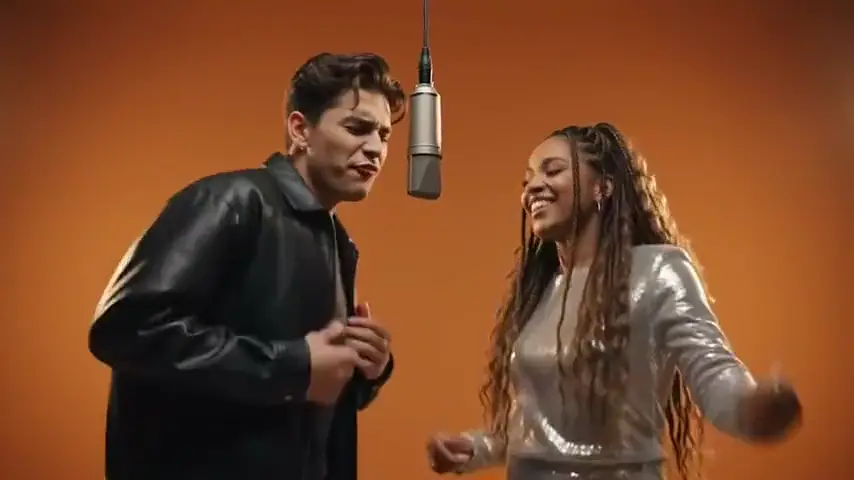
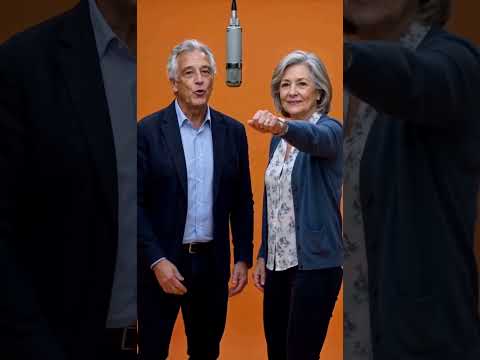
The short answer
The AI zombie trend is a short, emotional scene: someone you love has turned into a zombie but is still recognisably themselves, and the person still human cannot bring themselves to fire. Two photos in; one standoff, one flashback and one hug out.
It started on TikTok and Reels in October 2026 as a Halloween format and outgrew the season, because the scene is not really about zombies. It is about the moment you decide you would rather keep someone than be safe. Couples make the husband-and-wife version, friends the best-friend version, some make it with a parent. What makes the clip work is the order of the two photos: the first stays human and holds the flare gun, the second has already turned. Swap them and the story flips — which is the only real decision you make here.
How it works
Pick the photo of the person who stays human and upload it first, then the photo of the person who has turned. Both clear, front-facing, in similar light.
Position is the script. Photo one is the human with the flare gun; photo two is the zombie. There is no setting to swap them, so upload order is the casting decision.
The effect is already picked. Five seconds gives you the standoff and the hug; ten or fifteen gives the flashback and the hug more room.
The scene has four beats — standoff, flashback, lowering the gun, hug. At five seconds they arrive fast and hard; longer clips let the pause before the hug work.
The clip renders in about a minute with its own piano-and-strings score. Download the MP4 and post it as is, or add the trend’s sound and lower the original audio.
The score carries the scene without lyrics, so it works untouched. If you want the sound everyone associates with the trend, lay it on top — the clip’s audio is quiet enough to sit under it.
Every clip, itemised
A dark, abandoned room at night: dusty furniture, moonlight through broken blinds. Lit soft enough for faces.
The second person stands still: pale grey-green skin with fine cracks, cloudy white eyes, torn clothes. The face underneath is unmistakably your photo — that recognition is the point.
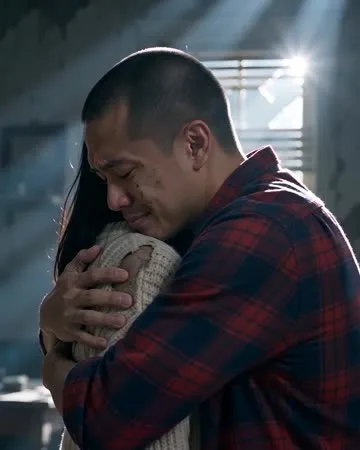
The first person raises a flare gun with shaking hands, tears on their face, and does not fire. The camera holds on the hesitation, not the weapon, so the clip reads as grief.
A quick cut to warm daylight: the two of you laughing as your ordinary selves, no makeup. It lasts a second and it is what turns the clip from a Halloween joke into something people share.
Back in the dark room, the gun comes down and the human steps into a long hug. The zombie never attacks and nothing is resolved — the scene ends mid-emotion.
No blood, no wounds, nobody hurt. Skin is grey-green and eyes cloudy, but the violence stays off-screen. The mood is sad, not frightening.
A slow original for piano and strings, building at the flashback and settling under the hug. No lyrics, no voice, no sampled song, so it clears platform audio matching.
What people make
“my partner turns and I still hold on”
Put yourself as photo one and your partner as photo two, or swap it for the darker read. This is the version the format was built around.
“my best friend since school, still her”
Two photos taken years apart work here — the flashback lands harder when the two of you visibly grew up together.
“my dad, and me as a kid”
Combine a current photo with a childhood one. The recognisable face on the turned figure is what makes this version land, so pick the photo where they look most like themselves.
“the costume I would never actually wear”
Post it in October as a costume alternative with no makeup and no party. It also works as a party invite, because the scene reads without a caption.
What makes a good result
Two head-and-shoulders photos framed the same way cut together cleanest. A full-body shot next to a tight portrait makes one of you look pasted in.
The turned face has to be recognisable through the grey skin. A sharp, well-lit, front-facing photo survives; a soft or angled one stops reading as them.
One indoor and one outdoor still works, but similar tones make the flashback and the dark room feel like the same two people in two moments.
Your partner, your friend, your family — not a stranger and not a public figure. The joke depends on both people being happy to be in it.
Questions
What people ask before they put two faces into this scene.
Upload the photo of the person who stays human first, then the one who turns. Keep Zombie selected and generate. About a minute later the standoff, the flashback and the hug are already there.
The second one. Photo one stays human and holds the flare gun; photo two has turned. If the story reads backwards, swap the order and generate again.
No. Grey-green cracked skin, cloudy eyes and torn clothes, with no blood and no wounds. The flare gun is raised but never fired and nobody is attacked. The mood is sad and sweet.
Yes, that is what the effect is built for. It works the same for best friends, siblings, or a parent and child. Only the order of the two photos changes.
Yes. Pick ten or fifteen seconds and the standoff and hug both get more time. Still one short scene with a brief flashback, but the slower cut reads more like a film.
It comes with an original piano-and-strings score. To use the sound people associate with the format, add it from the TikTok or Instagram library and lower the clip’s audio.
Four credits for the default five seconds. Picking ten or fifteen seconds costs more, since you pay per second — and a render that fails is refunded without you asking.
Ready when you are
Two photos, four credits, about a minute. The house, the gun and the hug are in the effect — you decide who turns.
Failed renders are refunded automatically — you never pay for a clip you did not get.